Exploring the Fascinating World of Tabletop Games
Tabletop games have long been a source of entertainment, creativity, and camaraderie across the globe. These games, which encompass a wide variety of formats including board games, card games, and role-playing adventures, offer players an opportunity to engage in immersive experiences that transport them to different worlds and scenarios. In this exploration of tabletop games, we delve into their history, appeal, and the different types that continue to capture the imaginations of players.
The Rich History of Tabletop Games
The history of tabletop games dates back centuries, with early forms found in ancient civilizations such as Mesopotamia and Egypt. Games like the Royal Game of Ur and Senet were played by the likes of kings and commoners alike. As time progressed, these games evolved, spreading across continents and transforming into modern classics. By the medieval period, games like chess and backgammon gained prominence, illustrating strategic thinking and tactical prowess.
The Allure of Tabletop Games
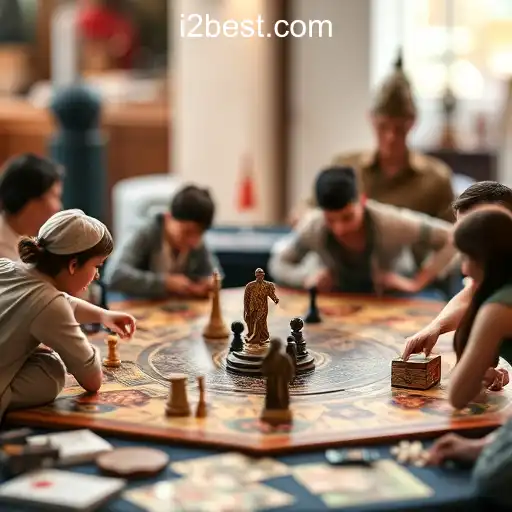
The appeal of tabletop games is rooted in their ability to bring people together. Unlike video games or online platforms, which often require screens and distance, tabletop games necessitate face-to-face interaction and tactile engagement. This physical presence enhances the social experience, as players negotiate rules, strategize, and celebrate victories in real time.
In our increasingly digital world, the tactile engagement offered by tabletop games serves as a refreshing reminder of the joys of direct interaction. The experience of rolling dice, handling cards, or moving pieces across a board provides a unique sensory connection that digital platforms rarely replicate.
The Rise of Modern Tabletop Games
Over the past few decades, tabletop games have undergone a renaissance. This resurgence has been fueled by innovative game design, crowdfunding platforms, and a growing community of enthusiasts. Titles like Settlers of Catan, Pandemic, and Carcassonne have become household names, offering inventive mechanics and captivating narratives.
Strategic Games
One key element that defines many tabletop games is their strategic nature. Games like Risk or Twilight Struggle demand players to think critically, plan several moves ahead, and anticipate opponents' tactics. This strategic depth draws parallels to real-world scenarios, where decision-making can shape outcomes significantly.
Moreover, many modern strategy games incorporate elements of resource management, diplomacy, and negotiation. In games like Terraforming Mars or Agricola, players must balance competing priorities, manage resources effectively, and harness opportunities for growth, mirroring challenges faced in business or governance.
Role-Playing Games: Adventures in Imagination
Role-playing games (RPGs) are arguably one of the most immersive forms of tabletop gaming. Popular RPG systems like Dungeons & Dragons (D&D) have created expansive worlds in which players assume the roles of characters, embarking on epic quests crafted by a game master. These narratives offer players unparalleled freedom to explore, make choices, and influence the game world around them.
In addition to fostering creativity and storytelling skills, RPGs provide players with the opportunity to develop teamwork and problem-solving abilities. The cooperative nature of these games encourages players to work together towards common goals, strengthening bonds as they confront challenges and overcome obstacles.
Tabletop Games in Popular Culture
The influence of tabletop games extends beyond the table, having an impact on cultural phenomena and media. Movies, television shows, and literature have all drawn inspiration from classic games. From the intricate plots of adaptations like "Clue" to the portrayal of D&D sessions in hit series like "Stranger Things," tabletop games continue to be a significant source of inspiration.
i2BET.COM Oficial Slots Brasil #1 and Tabletop Gaming
While i2BET.COM Oficial Slots Brasil #1 primarily operates in the realm of online gaming, the competitive and strategic elements present in tabletop games resonate with the principles of skill and chance involved in digital gaming experiences. Both domains offer engaging narratives and the opportunity to compete and collaborate, transcending the boundaries of their respective formats.
Furthermore, as i2BET continues to captivate audiences with its innovative slot games, there's an opportunity to draw parallels between digital gaming and the narratives crafted within tabletop adventures. Both worlds value storytelling, thoughtful design, and community engagement, bridging entertainment across platforms.
The Future of Tabletop Gaming
As technology continues to evolve, the future of tabletop games appears bright. The integration of augmented and virtual reality offers intriguing possibilities, potentially transforming how games are played. Hybrid setups, incorporating digital components with physical game pieces, are already available and poised to enhance gameplay experiences.
Ultimately, the core elements that have sustained tabletop games for millennia remain unchanged: the joy of gathering with friends and family, the challenge of strategy and creativity, and the thrill of entering worlds both familiar and fantastical. Whether through a classic board or a modern digital adaptation, the allure of tabletop gaming endures, providing endless adventures for players of all ages.